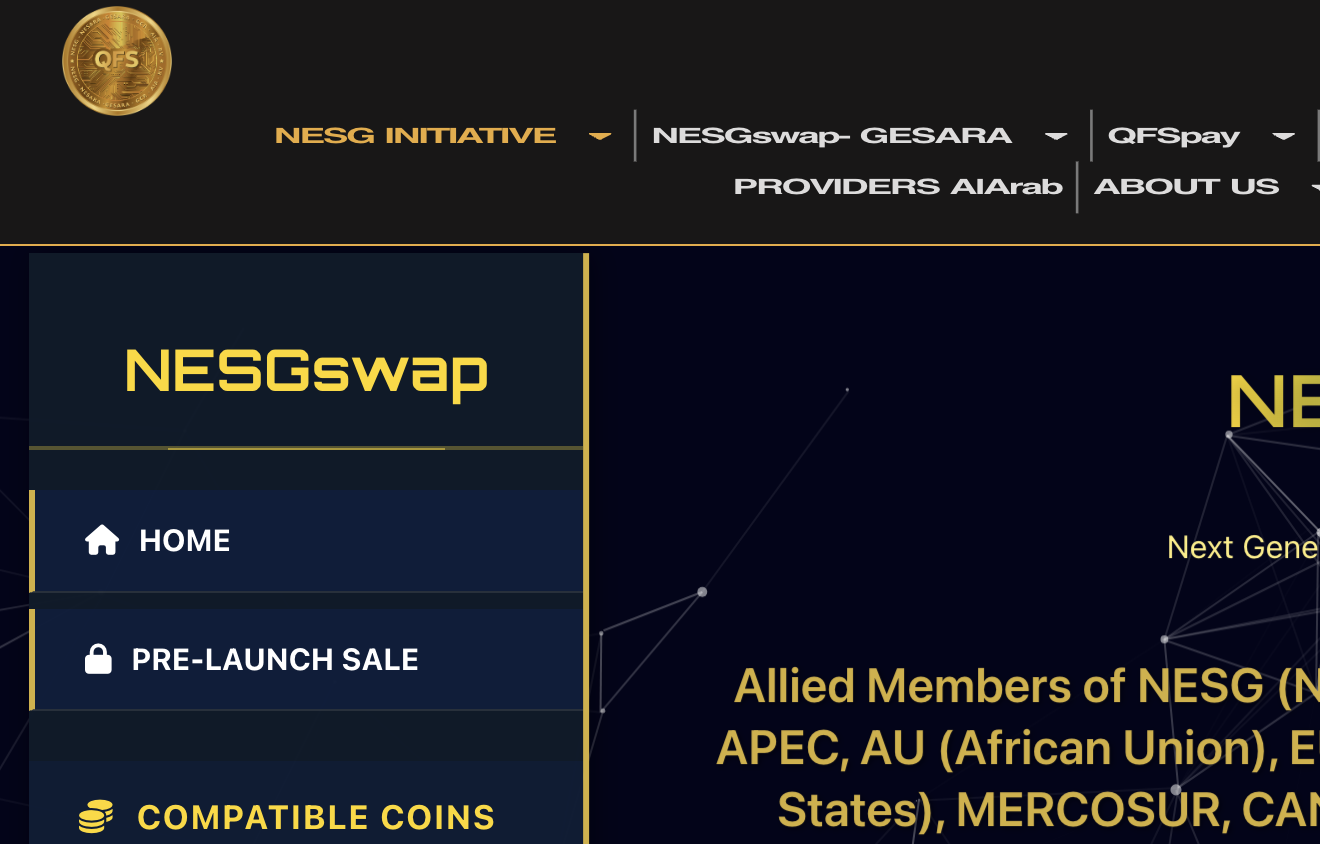
This Nesgswap.com Review analyzes the platform from a structured risk assessment perspective, focusing on domain history, operational transparency, and investor exposure risks.
Created on 2024-03-15 (March 2024).
While the domain is not newly registered, it still lacks a long-term operational track record compared to established decentralized finance (DeFi) platforms. In crypto ecosystems, even one year of domain history does not automatically translate to credibility. What matters more is transparency around governance, smart contract auditing, and custody structures.
The naming structure suggests a decentralized exchange or token swap service. Platforms operating under “swap” branding often position themselves as liquidity providers, token exchange interfaces, or yield-generating ecosystems. These models carry elevated risk if transparency standards are not met.
Governance and Transparency Risk
A primary concern in this Nesgswap.com Review is governance transparency.
Legitimate DeFi platforms typically provide:
-
Smart contract audit reports
-
Open-source contract addresses
-
Clear tokenomics documentation
-
Public team or governance structure
If Nesgswap.com does not provide independently verifiable audit documentation or on-chain transparency, users face elevated smart contract risk.
In decentralized ecosystems, the absence of third-party audit verification significantly increases exposure to liquidity pool manipulation, rug-pull scenarios, or contract vulnerabilities.
Regulatory and Compliance Exposure
While decentralized platforms may not operate under traditional brokerage regulation, transparency and jurisdictional clarity remain important.
If Nesgswap.com handles custodial assets or collects user funds outside purely on-chain wallet interactions, it may cross into regulatory territory. In such cases, lack of licensing introduces offshore broker risk and reduced recourse in disputes.
For broader awareness of common crypto scam mechanics and DeFi-related fraud risks, see: https://www.investopedia.com/crypto-scams-and-how-to-protect-yourself-7119977
Understanding common scam patterns helps users assess whether a platform’s operational model aligns with known high-risk behaviors.
Liquidity and Token Risk
DeFi swap platforms typically rely on liquidity pools. Risk escalates when:
-
Liquidity depth is unclear
-
Token pairs lack established market capitalization
-
Project documentation is minimal
-
Governance control remains centralized
If liquidity providers or administrators retain disproportionate control over smart contracts, users may face withdrawal restrictions or price manipulation risk.
Transparent DeFi platforms usually publish contract addresses for independent blockchain verification.
Deposit and Withdrawal Exposure
From a practical standpoint, risk exposure may appear during withdrawal or liquidity removal events.
Common structural risk patterns in DeFi-style ecosystems include:
-
Users deposit tokens into liquidity pools.
-
Platform displays yield generation or token growth.
-
Withdrawal attempts result in contract errors, liquidity shortages, or blocked transactions.
Users should verify whether smart contracts are audited and whether liquidity is locked for a defined period. Absence of locked liquidity increases rug-pull exposure.
Users should confirm smart contract transparency before interacting with decentralized exchange interfaces.
Infrastructure and Presentation
Professional interface design and blockchain-themed branding do not confirm decentralized legitimacy.
Some high-risk digital asset scam operations deploy DeFi-style interfaces while maintaining centralized backend control. If users must create accounts, deposit funds directly to platform-controlled wallets, or rely on internal dashboards instead of on-chain wallet interaction, risk classification increases.
Authentic decentralized platforms typically operate via wallet-based interaction (e.g., Web3 connections) rather than internal custodial accounts.
Overall Risk Classification
This Nesgswap.com Review classifies the platform as elevated risk based on:
-
Domain created in March 2024 (limited long-term history)
-
Potential lack of independently verifiable smart contract audits
-
Unclear governance transparency
-
Exposure category as a DeFi swap platform
-
Structural similarity to unverified token liquidity ecosystems
None of these indicators independently confirm fraudulent activity. However, the combined risk profile warrants caution.
Users should verify smart contract audits, liquidity locks, and governance documentation before interacting with the platform.
Report the Scam
➡️ https://www.reportcoinscams.com/book-a-consultation/
If you have experienced blocked withdrawals, failed liquidity removals, or suspicious activity linked to Nesgswap.com, preserve all transaction hashes and communications before seeking assistance.